
 En
En
 En
En
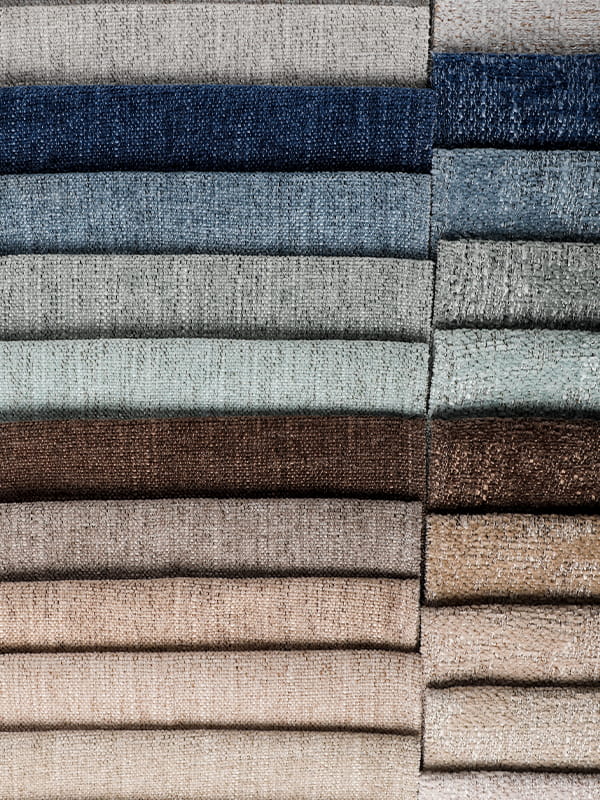
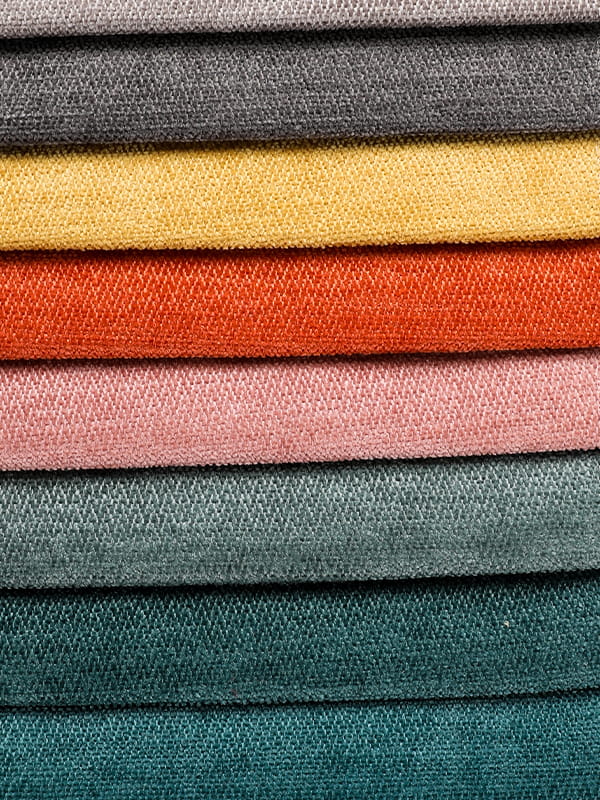
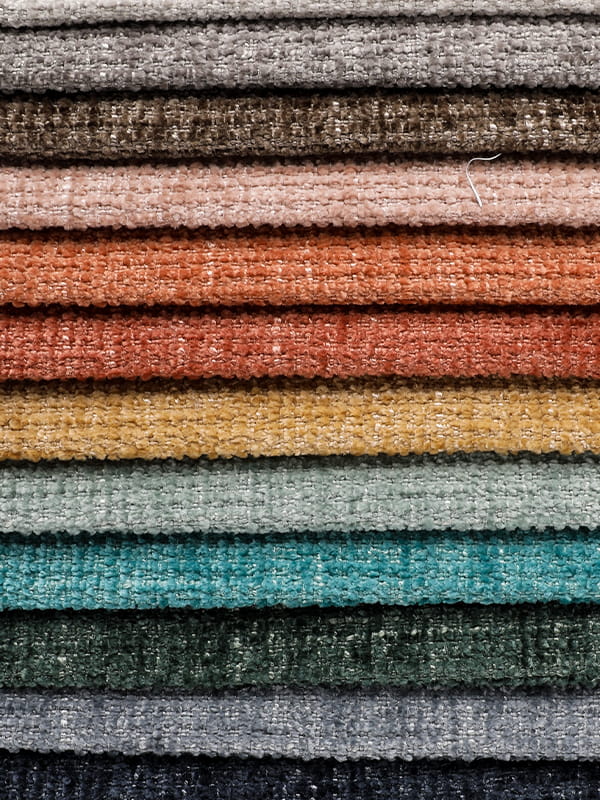
Chenille is NOT a specific fiber like cotton or polyester. Instead, it is a distinctive “caterpillar” yarn construction that creates a soft, pile-rich fabric. Any fiber (cotton, polyester, acrylic, viscose) can be spun into chenille yarn. Ang natatanging istraktura ay naghahatid exceptional softness, luxurious drape, and high absorbency , ngunit nagdudulot din ng mga hamon tulad ng pressure marks and specific care requirements . Based on laboratory tests and industry data, here are the key facts:
Kaya, kapag pumipili ng chenille, always examine the fiber composition and yarn density – hindi lang ang pangalang “chenille”.
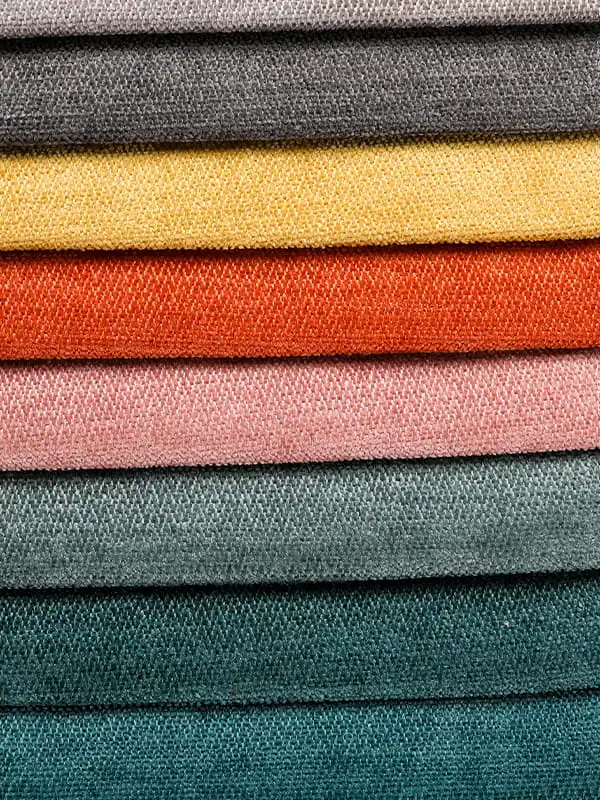
Chenille fabric gets its unique hand from a specialized yarn: dalawa o higit pang core plies (ang "backbone") that trap perpendicular “pile” fibers (the “fur”) through high twist. This bottle-brush profile creates the plush, velvet-like surface. Karaniwang mga pagtutukoy ng produksyon: pile density ≥180 fibers/10cm , twist level 450–650 twists bawat metro . Ang mas mababa sa 450 TPM ay humahantong sa labis na pagdanak; higit sa 650 TPM ay nagiging matigas ang tela.
Ang produksyon ng tela ng chenille sa buong mundo ay lumampas 1.2 bilyong linear meters taun-taon . End-use breakdown: 47% upholstery (sofas, chairs), 35% home textiles (blankets, cushions), 12% apparel, 6% rugs and crafts . Mga hanay ng taas ng taas ng chenille pile 2–5mm – enough for plushness while remaining maintainable.
Upang makagawa ng matalinong desisyon, suriin ang talahanayan sa ibaba gamit ang mga average ng laboratoryo na naghahambing ng premium na chenille (polyester/viscose blend) sa regular na cotton twill.
| Ari-arian | Dekalidad na chenille (poly/viscose) | Plain cotton twill |
|---|---|---|
| Martindale abrasion (cycles) | >80,000 (EN 14465) | 15,000–25,000 |
| Water absorption (g/100cm²) | 22–28 g (perpekto para sa mga bath mat) | 15–18 g |
| Paglaban sa pilling (1-5) | 3.5–4 (filament chenille) | 3–3.5 |
| Pagbawi ng marka ng presyon (segundo) | 45–60 seg (kailangan ng light brushing) | 5–10 segundo (halos wala) |
Mahusay si Chenille lambot, absorbency, y at abrasion resistance ngunit mas matagal bago mabawi mula sa compression. Pinakamahusay na mga application: mga sofa, mga hagis ng kama, mga kurtina – avoid high-frequency seating like dining chairs unless using a reinforced chenille blend.
Each fiber brings measurable performance differences. Below are practical use-cases backed by industry data.
① Kinakailangan sa abrasion – above 60,000 rubs → polyester or poly blends. ② Tactile preference – natural na lambot → koton; mataas na pagtakpan → viscose. ③ Dali ng pangangalaga – puwedeng hugasan sa makina → cotton/polyester; dry clean lamang → viscose. Halimbawa: paupahang sofa ng apartment → polyester chenille na may Martindale ≥60,000 . Bedroom blanket → cotton/acrylic mix for softness affordability.
Following correct care extends chenille product life by 2–3 years. Ipinapakita ng independiyenteng pagsubok ang optimal washing parameters: 30°C water, neutral pH detergent (6-7), delicate machine cycle (wool/silk mode) . Tumble drying at high heat causes pile shrinkage of 8–12% – laging tuyo sa hangin na patag.
Kritikal na babala : Bleach or strong alkaline detergents reduce core yarn strength by over 40%, causing severe shedding. Palaging suriin ang mga pH-neutral na label. Para sa pagpapanumbalik ng marka ng presyon : Steam from a distance of 5–8cm while gently hand-brushing – recovery rate up to 95%. Anti-static tip: Use diluted fabric softener (1:20) on polyester chenille; it reduces static voltage from 5000V to below 300V.
Pabula 1: "Lahat ng chenille ay nahuhulog nang husto." → Katotohanan: Premium high-twist chenille sheds <0.2% (GB/T 22796). Initial loose fibers after the first wash are normal; quality products stop shedding almost entirely after two gentle cycles.
Pabula 2: "Masyadong mainit si Chenille para sa tag-araw." → Fact: Lightweight cotton or viscose chenille (≤200 g/m²) has breathability similar to standard cotton, plus superior moisture wicking. Perpekto para sa mga takip ng unan sa tag-init.
Pabula 3: “Palagi namang mahal si Chenille.” → Katotohanan: Ang mga Acrylic chenille blanket ay nagkakahalaga ng kasing liit ng $6–12 USD, habang ang premium na Italyano na imported na chenille upholstery na tela ay maaaring umabot ng $45 /bakuran. Pumili ayon sa iyong mga pangangailangan sa pagganap.
Panghuling naaaksyunan na payo : Laging humiling ng fiber composition label, abrasion test report (if available), and care instructions . Run your hand across the surface: quality chenille feels uniformly soft with no rough patches. Walang kemikal na amoy ang dapat naroroon. With proper care, chenille delivers both luxury and long-lasting performance for modern homes.